


How Can Parents Help Children with Childhood Anxiety?
Key Takeaways
- Determine whether your child's worries are temporary or are interfering with sleep, school, friendships, or daily activities.
- Make sure your child feels heard and supported instead of being told to simply "stop worrying."
- You must watch for physical signs such as stomachaches, headaches, irritability, or avoidance behaviors that may signal anxiety.
- Use simple activities for childhood anxiety such as breathing exercises, drawing, movement, and calming routines every day.
- Seek professional treatment of childhood anxiety if symptoms persist for several weeks, become intense, or significantly disrupt family life.
Childhood anxiety is becoming increasingly common, and many parents feel unsure whether their child is experiencing normal worries or something that needs extra support. Occasional fears about school, friendships, or new experiences are part of growing up. However, persistent anxiety can affect sleep, learning, relationships, and overall well-being.
According to the Centers for Disease Control and Prevention (CDC), anxiety disorders are among the most common mental health conditions affecting children and adolescents in the United States. Millions of children experience anxiety severe enough to interfere with daily activities, which makes early recognition and support especially important.
The encouraging news is that parents can make a significant difference. Understanding the symptoms of childhood anxiety disorder, using effective coping strategies, exploring activities for childhood anxiety, and knowing when to seek professional treatment of childhood anxiety can help children feel safer, more confident, and better equipped to handle stress.
What is Childhood Anxiety?
Childhood anxiety is more than occasional nervousness. It involves persistent fear, worry, or avoidance that is stronger than expected for a child's age and begins to interfere with normal functioning.
Children may worry about:
- School performance
- Making mistakes
- Separation from parents
- Social situations
- Illness or safety
- Future events that are unlikely to happen
Anxiety can affect children as young as preschool age, although it may look different from anxiety in teenagers or adults.
Try This: Help Kids Overcome Anxiety: Reducing Childhood Stress
Symptoms of Childhood Anxiety Disorder
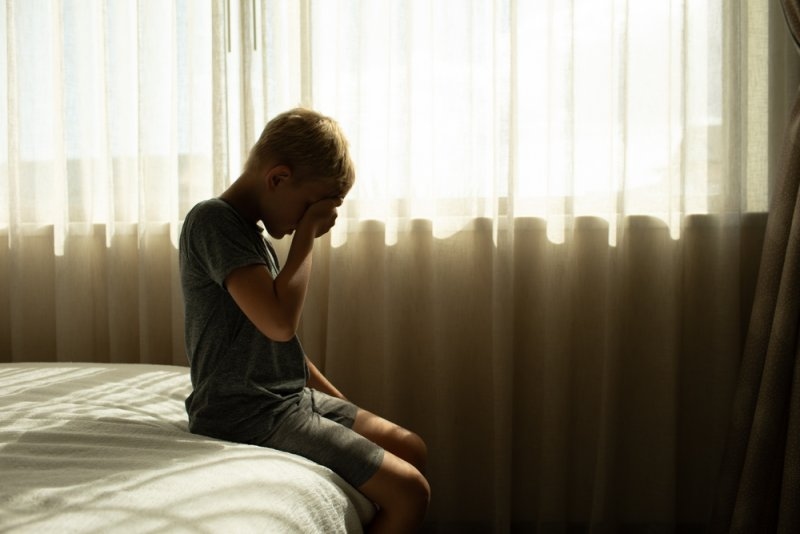
Recognizing the symptoms of childhood anxiety disorder early can help families provide support before the problem becomes more severe.
Emotional Signs
- Excessive worrying
- Frequent fears about everyday situations
- Irritability or emotional outbursts
- Constant reassurance seeking
- Difficulty concentrating
Physical Signs
Children often experience anxiety in their bodies before they can explain it in words.
Common physical symptoms include:
- Stomachaches
- Headaches
- Muscle tension
- Rapid heartbeat
- Trouble sleeping
- Fatigue
Behavioral Signs
Watch for patterns such as the following:
- Avoiding school or activities
- Refusing to sleep alone
- Clinging to parents excessively
- Withdrawing from friends
- Becoming unusually perfectionistic
A single symptom does not necessarily mean a child has an anxiety disorder. The key question is whether the symptoms are frequent, intense, and disruptive.
Why Childhood Anxiety Happens
Anxiety usually develops from a combination of factors rather than a single cause.
Temperament
Some children are naturally more cautious, sensitive, or reactive to stress.
Family History
Children with close relatives who have anxiety or other mood disorders may have a higher risk of developing anxiety themselves.
Stressful Experiences
Changes such as moving, divorce, bullying, academic pressure, illness, or the loss of a loved one can contribute to anxiety symptoms.
Understanding the cause is helpful, but parents should avoid blaming themselves. The focus should be on support and coping skills.
Activities for Childhood Anxiety
Simple daily practices can help children regulate their nervous systems and feel more in control.
Belly Breathing
Teach your child to place a hand on their stomach and slowly breathe in for 4 seconds, hold for 2 seconds, and breathe out for 6 seconds. Practicing for just a few minutes can reduce physical tension and help calm anxious thoughts.
Worry Drawing
Ask children to draw their worries on paper, then talk about what they drew. Younger children often express fears more easily through pictures than through direct conversation.
Movement Breaks
Physical activity is one of the most effective activities for childhood anxiety because it helps release stress hormones and improve mood. A short walk, dancing, stretching, or playing outside can make a noticeable difference.
Calm-Down Box
Create a small box containing comforting items such as:
- Coloring pages
- Crayons
- Stress balls
- Favorite photos
- Positive affirmation cards
- A soft object or small toy
Having a designated calming space gives children a concrete tool they can use when anxiety rises.
Treating Childhood Anxiety Naturally
Many parents are interested in treating childhood anxiety naturally before considering medication.
Prioritize Sleep
School-age children generally need 9-12 hours of sleep per night. Poor sleep can significantly increase anxiety symptoms and make emotional regulation more difficult.
Maintain Predictable Routines
Consistent meal times, homework times, and bedtime routines help children feel secure because they know what to expect.
Limit Anxiety-Triggering Media
Constant exposure to frightening news, social media conflict, or age-inappropriate content can increase worry and fear, especially in sensitive children.
Natural approaches can be very helpful, but they should not replace professional care when anxiety is severe or persistent.
Treatment of Childhood Anxiety
Professional treatment of childhood anxiety is recommended when symptoms:
- Last for several weeks or months
- Cause significant distress
- Interfere with school attendance or performance
- Affect friendships or family relationships
- Lead to panic attacks or extreme avoidance
Cognitive Behavioral Therapy
Cognitive Behavioral Therapy (CBT) is considered one of the most effective treatments for childhood anxiety. It helps children identify anxious thoughts, challenge unrealistic fears, and gradually face situations they have been avoiding.
Family Involvement
Parents are often included in treatment because the way adults respond to anxiety can either strengthen coping skills or unintentionally reinforce avoidance behaviors.
What Parents Should Avoid
Avoid these common mistakes:
Avoid Dismissing Feelings
Many parents think children can't have anxiety. But it is so wrong. Children have anxiety, and it should be validated. Statements such as "There's nothing to worry about" may be intended to comfort, but children often feel misunderstood when their fear is minimized.
Avoid Over-Reassuring
Constant reassurance can accidentally teach children that they cannot handle uncertainty on their own. Instead, acknowledge the feeling and encourage coping: "I know this feels scary, and I believe you can handle it."
Avoid Doing Everything for the Child
Helping a child avoid every uncomfortable situation may provide short-term relief, but it often makes anxiety stronger over time.
Conclusion
Childhood anxiety can feel overwhelming for both children and parents, but it is important to remember that anxiety is common, understandable, and treatable. By recognizing the symptoms of childhood anxiety disorder, responding with empathy, using supportive activities for childhood anxiety, and exploring healthy approaches for treating childhood anxiety naturally, families can help children develop confidence and resilience.
When anxiety becomes persistent or begins to interfere with school, sleep, friendships, or daily life, seeking professional treatment of childhood anxiety is a sign of strength, not failure. The goal is not to eliminate every worry, but to help children learn that they can face challenges, tolerate uncertainty, and trust their ability to cope. For additional parenting guidance, emotional wellness resources, and practical family support strategies, ParentalMastery.com offers helpful tools for raising emotionally healthy and resilient children. Ready to Support Your Child With More Confidence?
Start with one small step today: listen without judgment, practice a calming activity together, and create a predictable daily routine. Consistent support, patience, and connection can help anxious children feel safer, stronger, and more capable of handling life's challenges.
FAQs
Can Childhood Anxiety Affect Academic Performance Even if a Child Gets Good Grades?
Yes. Some anxious children maintain excellent grades but experience extreme stress, perfectionism, fear of making mistakes, or emotional exhaustion behind the scenes. Anxiety can affect concentration, test-taking confidence, participation in class, and overall enjoyment of learning even when academic performance appears strong.
Is Childhood Anxiety More Common During Major Life Transitions?
Yes. Anxiety often becomes more noticeable during transitions such as starting school, changing schools, moving to a new home, entering adolescence, or experiencing changes in family structure. Temporary increases in worry are common, but persistent distress may require additional support and coping strategies.
Can Diet Influence Childhood Anxiety Symptoms?
While diet is not usually the sole cause of anxiety, regular meals, adequate hydration, and balanced nutrition can support emotional regulation and energy levels. Excessive caffeine, energy drinks, or highly sugary foods may worsen restlessness or nervous feelings in some children, especially those who are already sensitive to anxiety.
How Can Teachers Support Students With Childhood Anxiety?
Teachers can help by providing clear expectations, predictable routines, gentle encouragement, private check-ins, and opportunities for gradual participation rather than forcing immediate performance. Collaboration between parents and teachers is often one of the most effective ways to support anxious children consistently across home and school environments.
When Should Parents Seek an Evaluation From a Mental Health Professional?
Parents should consider a professional evaluation if anxiety persists for several weeks, becomes increasingly intense, causes frequent physical complaints, leads to school refusal or social withdrawal, disrupts sleep regularly, or prevents the child from participating in normal daily activities appropriate for their age.