


What is Dialectical Behavior Therapy, and How Does it Work?
Over the last 10 years, the world of mental health and therapy has changed dramatically. Many people now seek ways in which they can gain the tools and mechanisms needed to deal with the overwhelming aspects of stress, anxiety, mood swings, and emotions in general. The approach to therapy that has become increasingly prominent is Dialectical Behavior Therapy (DBT).
Marsha Linehan, a psychologist, developed the approach in the late 1980s as a treatment for individuals who were extremely sensitive to emotional stimulation and had difficulties with suicidal behavior.
Today, dialectical behavior therapy can be used to treat people with PTSD, eating disorders, anxiety disorders, depression, and borderline personality disorder.
In this guide, you will learn about the principles of dialectical behavior therapy, the skills involved in the therapy, who it may be an ideal solution for, and why therapists have deemed it one of the most successful therapies in modern mental health therapy.
What is Dialectical Behavior Therapy?
DBT is a structured form of therapy that blends cognitive behavior therapy and mindfulness.
The term 'dialectical' refers to the act of holding two opposing ideas at the same time. The therapy involves the person accepting the emotional struggle they may be experiencing while working to change it for the better.
Instead of just talking therapy, DBT is very skill-focused, and the client is taught how to react during emotional situations without resorting to impulsive behaviors. Studies show it has proven very successful at significantly reducing self-harm and emotional crises (American Psychological Association).
Standard DB therapy can involve:
- One-on-one therapy
- Group skills training
- Crisis phone calls
- Tracking sheets on behavior
- DBT aims to teach lasting emotional coping skills over time.
How Does DBT Work?
DBT works by helping clients identify what triggers their emotions and, rather than acting in maladaptive ways, learn to cope without impulsive behavior. This therapy teaches four major sets of skills.
Mindfulness Skills
The aim of this skill is to be able to remain in the present moment rather than getting lost in anxiety, anger, or fear. Mindfulness training helps clients to identify the breath, observe their emotions without judgment, and apply ground-based exercises that have been found to significantly reduce extreme emotional states. A report published by the American Psychological Association suggests that it reduces levels of stress hormones by as much as 30 percent over time.
Emotional Regulation Skills
This skill is considered a fundamental aspect of DBT, as its primary aim is to increase the client's ability to manage emotions. People learn the nature of emotions, why certain situations intensify them, and what steps they can take without risking an outburst or extreme behavior. For example, someone who normally expresses their anger violently can be taught techniques to stop, identify their emotions, and articulate themselves effectively.
Distress Tolerance Skills
This skill in DBT therapy focuses on coping without the client feeling the urge to engage in self-destructive behavior. These types of skills are most useful when the client is in the middle of a crisis and experiencing emotionally taxing situations. Distress tolerance skills can include the client learning to:
- Take a few deep breaths
- Sensory grounding
- Apply distracting techniques
- Engage in self-soothing practices
These various techniques assist people experiencing distress by providing non-harmful ways to respond.
Interpersonal Effectiveness Skills
Another important element of DBT treatment focuses on an individual's relationships. With this skill, clients are taught methods for communicating, setting boundaries, and resolving conflict so they can achieve a more successful relationship with loved ones.
This can help someone achieve healthier relationships with family members, friends, spouses, and coworkers.
Must Try: Adolescent Idealism: How It Impacts Teen Mental Health
Who Can Benefit From DBT?
DBT was originally designed for borderline personality disorder but is now successfully being used to treat many mental health conditions.
Clients may benefit from DBT therapy if they suffer from the following:
- Anxiety disorders
- Depression
- PTSD
- Eating disorders
- Substance abuse problems
- Self-harm behavior
- Anger management difficulties
- Emotional instability
DBT is very helpful for teenagers and young adults who are still developing their emotional regulation skills.
Many medical professionals suggest DBT for parents to reduce stress and prevent them from feeling emotionally burned out.
What are Typical DBT Sessions?
A DBT program typically runs for 6 months to a year. Throughout the therapy session, patients will discuss issues that have occurred in the past week with their professional treatment provider.
Session content may include:
- Discussion about emotional issues that have been prevalent throughout the week
- Application of coping skills
- Communications methods
- Setting personal goals
- Monitoring the individuals' behaviors
Group sessions can also be a very useful tool within DBT therapy, as they provide patients with a new form of therapy not used with other therapies, such as those based on changing thought patterns. Patients work on specific exercises to learn how to transfer their new coping skills into real-life situations.
Why is DBT Different Than Cognitive Behavioral Therapy?
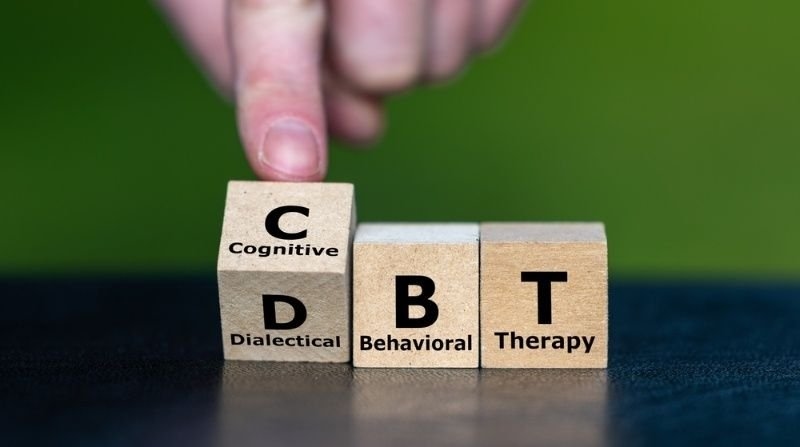
Cognitive Behavioral Therapy (CBT) also focuses on helping an individual identify harmful thought processes. CBT places more emphasis on trying to change negative thoughts that may be causing suffering for the individual. DBT, on the other hand, teaches an individual how to tolerate emotional pain and distress and how to gradually reduce impulsive behavior. This is where the combination of acceptance and change plays a vital role in DBT treatment.
This means that for someone who feels their emotions are too overwhelming to handle, it can feel much more manageable.
Try This: Raising Resilient Kids in 2025: Emotional Strength Tips
Are DBT Results Backed by Research?
Yes. DBT is among the most well-researched forms of therapy. Several studies have demonstrated its effectiveness in reducing suicide attempts, lowering rates of hospitalization, enhancing stability, strengthening relationships, and decreasing anxiety and depressive symptoms. A 2024 behavioral health study found that approximately 77% of clients experienced increased control over their emotions after participating in DBT programs. The sheer volume of these statistics indicates that DBT programs are used worldwide, in settings such as hospitals, schools, therapy clinics, and online therapy platforms.
Conclusion
Dialectical behavior therapy is among the most widely used modern therapies today, thanks to its emphasis on providing realistic, useful coping skills. DBT doesn't just allow people to express their emotions; it also helps them process them and learn to regulate and manage them effectively when they become overwhelming. Using techniques ranging from mindful exercises and meditation to effective interpersonal strategies, DBT therapy can benefit almost anyone seeking support. Whether one needs help managing anxiety and depression or dealing with PTSD or borderline personality disorder treatment, this therapy provides lasting solutions to an individual's behavioral challenges. Drgptmd.com, as well as many other web platforms, has made knowledge on this therapy even more accessible than ever before.
FAQs
Can DBT be Done Online?
Yes. Numerous licensed professionals and websites offer online DBT programs, featuring video sessions and online skills training groups. Online DBT has surged in popularity since 2020, making the treatment accessible to those in remote areas or with busy schedules. Research shows that online DBT led by trained professionals can be highly effective.
When Will I See the Benefits of DBT?
Some individuals will begin to notice a decrease in stress levels and increased awareness of emotions in only a couple of weeks. However, mastering long-term emotional regulation skills will take a few months. The typical length of a structured DBT program is between 6 months and 1 year (24-52 weeks), depending on the individual's symptoms and the target behaviors for treatment.
Can DBT be Used for Minor Mental Health Issues?
No. Despite the fact that the therapy was developed to treat severe personality disorders, DBT can be helpful for those who do not currently hold a diagnosis. Individuals may enter DBT programs in order to deal with stressful life situations, parenting struggles, romantic relationship problems, and poor communication skills.