


Important Family Values and How to Teach Them to Your Kids
Key Takeaways
- Family values lay a clear foundation for governing how to make decisions and how they must deal with other people.
- Honesty creates trustworthiness and open communication among family members.
- Support teaches children how to be compassionate and empathetic, fosters self-confidence, and teaches them how to assist one another.
- Fairness teaches children to consider other individuals' needs, ways of thinking, and perceptions.
- Responsibility teaches children to know their choices and their consequences.
- Family values are best taught by parents modeling good behavior that the kids want to adopt.
- Asking questions, congratulating kids on good behavior, and talking about the kids' decisions are necessary to teach kids to carry out these valued behaviors and thoughts.
Life in a happy family doesn't always come easy. Members will always have individual opinions and ways of doing and thinking about different things, which may result in a lot of tension in the house. However, family values offer a blueprint to guide them in navigating through the different and complicated personalities. They are the standards that bind and build relationships, and they come in the forms of trust, honor, and understanding.
Values help our kids look at the immediate consequences of the moment and beyond their whims and wishes. If parents constantly model the rules, kids can develop healthier personal relationships while making choices that benefit their personal well-being and do not harm them or others.
Important Family Values For Children
The following are some useful family values to teach kids so they'll know what healthy behavior is and also help them build healthy relationships, make responsible choices, and develop compassion, respect, and kindness, and also build more honesty, empathy, and trust in their relationships.
Honesty
Honesty forms the bedrock of all healthy relationships in the family. When each family member is truthful, all individuals can trust one another more and also communicate openly.
Dishonesty can breed mistrust, disappointment, and family conflict. Kids can feel safe and secure in a home where honesty thrives. It's no more than enabling them to openly admit when they have made mistakes so they won't have to keep it in a confined space.
Support
Supporting family members helps them feel a sense of security, value, and being understood. Children especially need guidance and encouragement during difficulties. When parents provide support, kids will then develop self-confidence and empathy.
They can readily ask for assistance without hesitation and can also stand as moral support for others if needs arise.
Fairness
Teaching our children about fairness helps them realize the importance of knowing what it is like to walk in other people's shoes; hence, we help them build compassion and empathy and teach respect. Fairness in any family doesn't have to imply treating everybody exactly the same; kids should know that people possess different forms of personal and individual needs.
When such values are inculcated, one can observe parents listening keenly to members of the family and considering every viewpoint before they proceed with decision-making.
Responsibility
This shows our children that we take responsibility for our choices. When the child missteps, there are consequences that follow, which help them know that not everything they do results in gain; so, as much as it's acceptable to make mistakes, the family ensures that children take responsibility for the mistakes committed.
Children are thereby shown how to apologize when necessary and how to pick up where they left off, as well as learn from everything they do. This allows children and parents to have the kind of candid and communicative family interactions necessary to help them learn these lessons with you.
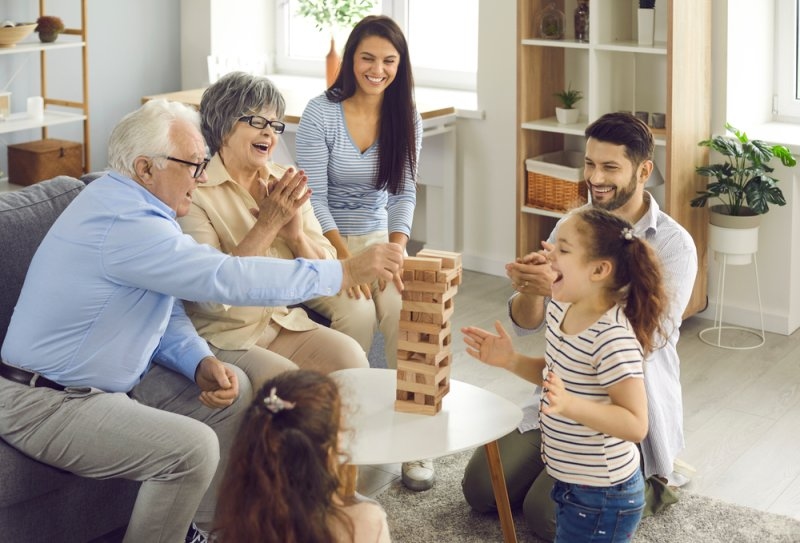
How to Teach Family Values to Kids?
Personal values refer to the characteristics of a person. Personal values can be both small, like honesty or integrity, but they can also be as big as love or compassion. These attributes often remain dormant until they are encouraged among kids through deliberate efforts by the parents. Therefore, the ways parents use to pass this to their children can be outlined as these valuable tactics for teaching kids personal values:
Model the Desired Values
If one wants to raise responsible, honest, and caring children, he should personally reflect these ideals within his personal life. Showing integrity at all costs, being faithful to promises, and being honest even during interactions with family members and the public are sure ways a child is bound to mirror you. These demonstrations are easy for a kid to follow: he's taking an example from how the family is being operated.
Initiate Thinking with Questions
Lectures may be boring for a child, especially a young child, if you don't take the time to engage his/her understanding. Thus, ask them simple yet engaging questions that make them explore their opinions and also understand and make their own conclusions.
As an example, if you wish to teach honesty, one might ask him, "What makes telling the truth different from lying?" and "Why do you think honesty must be preserved in your relationships?" This enables kids to reason for themselves and own what is taught to them.
Appreciate Your Kid
Children who feel important and honored by parents stand taller in self-belief and in how they treat others. Parents may help strengthen this belief through simple forms of praise, especially when a child endeavors to do something well, or expresses an act of love, shows great responsibility towards tasks, or is always kind to fellow family members and even visitors.
Gratitude may be showered on acts such as caring for other siblings or finishing a chore effectively. These words reinforce that value to a child.
Discuss the Consequences of Decisions
Kids need to know their actions carry consequences, especially once they are unfavorable. Positive discipline is the only part of that lesson when kids learn it, and not only from you as their parent. Explain how the choices they made led to the behavior they are being confronted for, and show them how much better it can be done next time.
For example, if the kids get bad marks on a given test, talk with your kids about how they must improve. They could also have study time, which can assist the kids in learning their studies while assisting your child to ask for help or make better efforts when coming up with study routines. When these are seen as lessons, there may arise a lot more candid discussions between yourself and your kids on valuable matters.
Conclusion
Family values provide kids with the essential tools they will need to create happy relationships and sound decisions throughout their lives. Values of honesty, support, fairness, and responsibility are the very ones that will contribute to building stronger homes wherein all members of the family treat each other with respect.
Modeling good character, asking questions, and the willingness to acknowledge how well their children perform, as well as being able to converse concerning consequences, ensures the lessons become effective in daily family living. Family values from the infancy stage will lay a firm foundation in the children that can be passed on to them until adulthood.
Frequently Asked Questions
What are the most important family values for children?
Important family values are honesty, respect, support, fairness, responsibility, kindness, empathy, and communication. These values equip children with guidelines that help them to make good choices and to interact positively with the world around them.
How to teach family values at home?
Parents can foster positive family values through: Being a good role model; Sharing teachable moments and real-life examples; Making clear, specific demands of children; Rewarding desirable behavior; Explaining cause and effect.
Why is honesty important in a family?
Honesty promotes trust in families. When children feel they can tell us everything and we will love them no matter what, we are then encouraging honesty. This security helps kids to open up about problems, worries, and even mistakes.
How does responsibility help children?
Responsibility teaches kids there is a cause-and-effect to behaviors and to be held accountable for those actions. By requiring kids to take care of chores, fix what broke, and own the decisions they made, they start taking ownership in many areas of their lives.
What should parents do when children make mistakes?
When inappropriate behavior occurs, take the lead in helping children to understand why the behavior is bad or inappropriate and how they can change their behavior next time with positive directions.