


Problem-Solving Skills for Kids: A Practical Parent Guide
Your seven-year-old is hunched over a jigsaw puzzle, jaw tight, clearly about to give up. Do you swoop in and fix it, or let them sit with the frustration a bit longer? It's a small moment, but honestly, this is exactly where kids' problem-solving skills get built. Not in a classroom. Not through some fancy app. Right there on the living room floor, in the ten seconds before you decide whether to help.
Here's the reassuring part. You don't need a curriculum for this. Most of the groundwork gets laid in ordinary moments you're already having with your kid, whether you realize it or not.
Key Takeaways
- Real-life moments, like a stuck zipper or an argument over the last cookie, do more for problem-solving than worksheets ever will.
- Critical thinking grows when kids get a chance to struggle before anyone rushes in to rescue them.
- Independence isn't handed to a child overnight. It's built through small, repeated doses of "you try first."
- Decision making gets stronger with practice, so offer real choices, even tiny ones, as often as you reasonably can.
- Consistency beats intensity. Steady, low-key parenting advice pays off more than the occasional big lecture ever will.
What Are Problem-Solving Skills for Kids?
Strip away the jargon, and problem-solving just means this: notice something's off, think of a way through it, and give it a shot. A toddler working out how to climb onto the couch is doing this. So is a nine-year-old trying to figure out how to split a group project fairly with a classmate who isn't pulling their weight.
It's not purely an intelligence thing either. There's a good amount of emotional grit tangled up in it, too, the willingness to try, fail, and try again without completely falling apart. That mix of logic and resilience is what actually carries kids through school, friendships, and eventually adult life.
Why Critical Thinking Matters for Problem-Solving Skills in Kids
Think of critical thinking as the quiet questioning that happens before a decision gets made. It's the "wait, why did that happen?" moment instead of just grabbing the first guess that comes to mind.
Kids who get regular practice with this tend to:
- Ask more questions (a bit exhausting some days, genuinely useful in the long run)
- Notice patterns, like realizing the tower fell last time because they pushed too hard
- Weigh more than one option instead of jumping at the first idea
- Recover a little faster when a plan falls apart
One of the easiest ways to build this at home costs absolutely nothing. Just think out loud in front of your kids. When you're staring into a half-empty fridge trying to figure out dinner, say the thinking part out loud. Kids soak up more from watching you work through a mess than from any speech about "thinking things through."
Must Try: Simple Ways To Improve Communication Skills in Your Child
How Do Problem-Solving Skills for Kids Develop by Age?
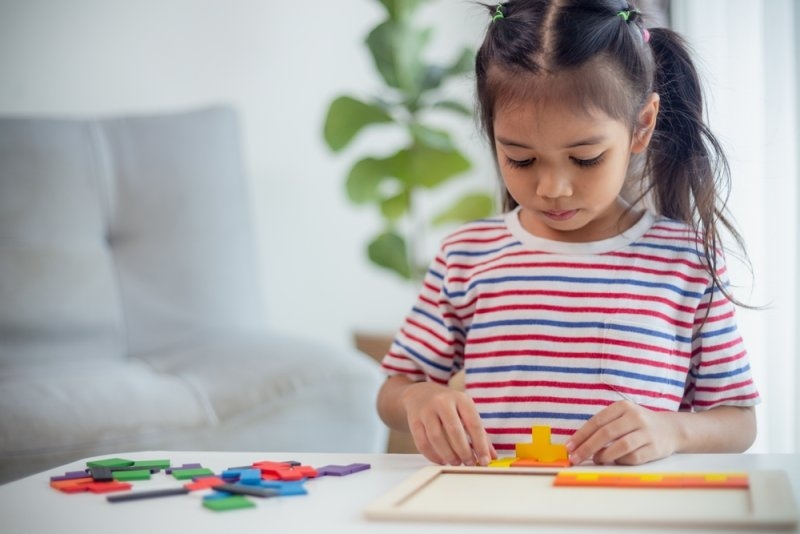
Progress here isn't a straight line. It creeps forward, stalls, then creeps forward again. Knowing roughly what's typical helps you set expectations that actually fit your child, not the kid down the street.
- Toddlers (1 to 3 years): Mostly trial and error. Stacking, dropping, poking, seeing what happens next.
- Preschoolers (3 to 5 years): Starting to plan a little before acting, and beginning to negotiate with playmates instead of just grabbing what they want.
- Early school age (5 to 9 years): Following multi-step plans and adjusting when the first attempt flops.
- Older kids (9 and up): Thinking a few steps ahead, weighing how a choice affects other people, handling more layered social and school problems.
If your child seems a bit behind one of these markers, try not to panic. Kids move through these stages at their own pace, and a rough week at school or home can slow things down temporarily, too.
Building Independent Children Through Everyday Practice
Raising independent children doesn't mean tossing them into the deep end and hoping for the best. It just means loosening your grip in small, deliberate ways, again and again.
A few low-stakes places to start:
- Let them pick their own outfit, even the mismatched ones
- Have them pack their own school bag, then check it together afterward
- Give them a chore with a clear finish line, like clearing the table
- When they get stuck, quietly count to sixty before stepping in
Each tiny win, even something as small as tying a shoe without help, quietly tells your child, "I can handle things." That belief is really the whole point of all this.
Teaching Decision Making: Simple Steps for Every Age
Kids get better at decision-making the same way adults do. By making a lot of small, low-risk decisions and living with the results afterward.
- Little ones: Two clear options usually work best, like "red cup or blue cup?"
- School-age kids: Talk through trade-offs out loud, such as "if we go to the park now, we'll miss the shady part of the afternoon."
- Older kids: Let natural consequences play out where it's safe to do so. Forgetting a permission slip means having that awkward chat with the teacher themselves.
None of this feels like much in the moment. But stretched over a year or two, it adds up to a kid who trusts their own judgment instead of checking with you for every little thing.
Practical Parenting Advice to Strengthen Problem-Solving at Home
A handful of things that tend to hold up across most households, whatever your kid's age or personality:
- Pause before handing over the answer. Even an awkward silence is doing some work.
- Ask questions instead of offering solutions, something like "what do you think we should try?"
- Let mistakes be boring and normal, not a big event.
- Notice the effort, not just whether they got it right.
- Lean on everyday chaos, like packing for a trip or sorting laundry, as free practice.
Signs Your Child's Problem-Solving Skills Are Growing
You probably won't get one big, obvious milestone moment. Look instead for the small shifts that add up over time:
- They try a second approach before calling for backup
- They can actually explain why plan A didn't work
- Changed plans don't send them into a meltdown like they used to
- They start troubleshooting for a sibling or friend without being asked to
Progress here tends to sneak up on you. You'll usually notice it in hindsight more than in the actual moment it's happening.
Also Read: How Should You Approach Parenting Teens and What are its Effects?
FAQs
1. At what age should I start teaching problem-solving skills?
Earlier than most parents assume. Toddlerhood counts. Stacking cups, shape sorters, and simple puzzles all lay the groundwork long before "real" problem-solving looks like anything formal.
2. How long should I wait before helping my child with a problem?
A minute or so of struggle is usually fine, even good for them. Once frustration tips into real distress, step in with a nudge or a question rather than handing over the full answer.
3. Can screen time help build problem-solving skills for kids?
Certain games can sharpen logic, sure. But hands-on, messy, real-world problems, the kind with no reset button, tend to build sturdier skills over time.
4. What's the difference between critical thinking and problem-solving?
Critical thinking is the reasoning happening underneath it all, the questioning and analyzing. Problem-solving is what happens when that reasoning gets pointed at an actual challenge and turned into action.
5. How do I stop myself from solving every problem for my kid?
Start small and low-stakes. Let something minor play out first, like a toy that won't quite fit together or a snack that needs to be shared. It gets easier with practice, honestly, for both of you.