


Why Are Kids So Bored? Smart Solutions That Work in 2026
Key Takeaways
- Kids today have more access to screens, toys, games, and gadgets than any group before them. But even with all that, you still hear a lot of "I'm bored."
- It's not just about a lack of options-sometimes, it's the opposite. With so much stimulation, regular activities can feel flat.
- Add packed schedules to the mix, and there's barely time for real, independent play or creativity.
- Here's the thing: boredom tolerance is something children learn.
- Unstructured, screen-free time helps kids develop independence and figure out how to entertain themselves.
So why are kids so bored even when their homes are overflowing with entertainment? The real issue runs deeper. Overstimulation, rigid schedules, and always having something new make kids expect constant excitement. If you want to help, it's not just about adding more options. It's about helping them focus, create, and enjoy their own company.
Why Are Kids So Bored Nowadays?
If your kid complains they're bored when there are plenty of things to do, you're not the only one. The issue isn't just what's on offer; it's how kids experience all that stimulation. Let's explore "why are kids so bored" in depth:
1. Overstimulated, Underchallenged
Screens serve up instant fun and endless novelty. When kids get used to fast-changing entertainment, regular life can seem pretty dull. It's not laziness-they just need chances to practice patience and use their imagination.
2. Overscheduling Doesn't Help
Many kids bounce from school to homework, sports, and lessons all week. There's not much time left for simply doing nothing. Unstructured time is where kids make choices for themselves. If adults script every moment, kids might freeze up when it's finally their turn to decide how to spend their time.
3. Boredom Tolerance = Practice
Kids aren't born knowing how to handle boredom. If a screen or toy shows up the moment they complain, they never get a shot at working through boredom on their own. Learning to sit with boredom helps them get creative and find out what really interests them.
Boredom and Kids' Mental Health: What's at Stake?
Everyone gets bored now and then, but if your child is checked out all the time, it can overlap with emotional issues. You can also make an effort to watch your child when bored to check if this is a sign that he is fighting other troubles.
Boredom May Trigger Anxiety and Poor Mood
You can worry if your child isn't interested in anything over several days or weeks. Persistent boredom sometimes pairs with low motivation, emotional trouble, or feeling disconnected. Boredom alone isn't depression, but lasting changes in their mood or interests matter.
Boredom Also Fuels Creativity (when you let it)
Sometimes creativity happens because kids have nothing else to do. But if every quiet moment is filled with a screen or structured activity, they don't get the chance to invent, build, or explore. Let kids be bored for a while-it's actually valuable.
It Can Trigger Problem Behaviors
When kids don't know how to manage boredom, you might see restlessness, complaining, or meltdowns. Knowing what's really going on helps you address the root issue instead of rushing to distract them again.
In-Depth Guide: Discipline Without Yelling: Best Positive Parenting Tips
The Real Fix: Help Kids Build Internal Motivation
The goal isn't to erase boredom forever. It's teaching kids how to deal with it on their own-building independence and creativity along the way.
Make a "Bored List"-and Let Them Use It
Jot down a list of activities with your child and keep it handy. When boredom hits, point to the list and let them choose. That's their menu, not yours.
Block Out Unstructured Time Every Day
Pick a part of each day with no screens, scheduled activities, or instructions. Call it quiet time, creative time, whatever fits. Let them get bored-figuring out what comes next is the actual goal.
Rotate Toys Instead of Adding More
Don't rush out to buy every new thing. Sometimes, hiding a few favorite toys or games and bringing them out later makes them feel brand new. Rotation keeps things fresh without clutter.
How to Entertain Kids at Home (Without Losing It)
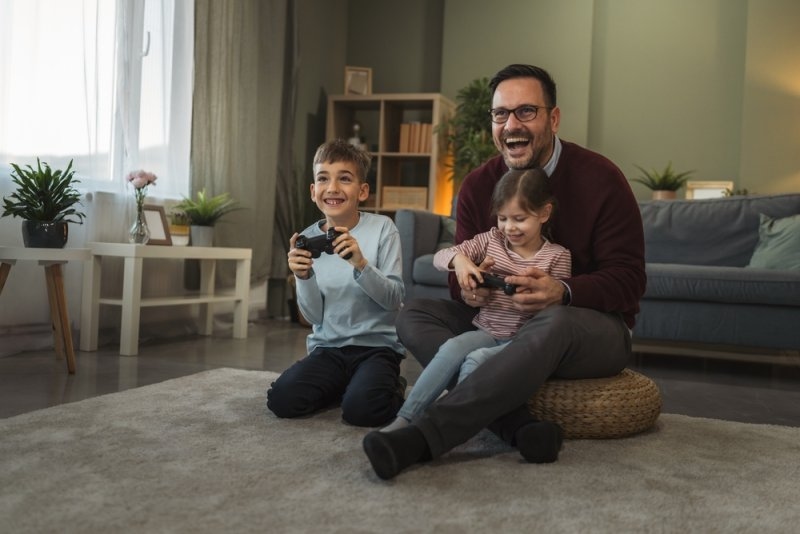
If you want ideas for home, try simple daily themes to add structure-without micromanaging every minute.
For example:
- Make-It Monday: Anything crafty, baking, or DIY
- Try-It Tuesday: New games or science activities
- Wild Wednesday: Get outside or organize a scavenger hunt
- Thoughtful Thursday: Reading, journaling, or quiet time
- Free Play Friday: No rules, just pure imagination
Themes keep things interesting and cut down your planning stress.
Keeping an Easy "Go-To" List
Younger kids love:
- Shadow puppet shows
- Rescue toys from ice cubes
- DIY obstacle courses
Older kids get a kick out of:
- Creating comics
- Making escape-room games at home
- Inventing and pitching silly products
You don't need screens or much setup-just a spark to get their imagination going.
Fixing Boredom for Good: Build the Skill, Not the Distraction
Trying to fix every bored moment for your child solves nothing in the long run. The trick is helping them adapt.
Normalize It
Tell your child it's okay to be bored. Their brain can figure out what to do next. There's nothing to panic about.
Hand Ownership Back
Instead of swooping in, ask, "What's one thing you could do right now?" Things like these teach kids responsibility-and help them practice decision-making.
Reduce Screen Instincts
Screens aren't evil. But if they're the automatic solution to boredom, you've got a problem. Build in screen-free time so your child figures out other ways to stay busy.
Notice When They're Resourceful
When your child creates a game, solves a problem, or gets into something new, let them know you see it. Positive feedback encourages them to take initiative next time.
Final Thoughts
Kids aren't bored because they're lazy or lacking things to do. Overstimulation and stuffed schedules leave little space for genuine independent thinking.
Helping kids learn to manage boredom gives them creativity, patience, problem-solving skills, and confidence. Instead of fixing boredom right away, give your child the time and tools to discover what they enjoy next.
Frequently Asked Questions
My child has toys everywhere and watches screens; why are they still bored?
Children are used to instantaneous pleasure and stimuli that outshine much of what their real lives have to offer. Children don't have space to make choices, focus, and be creative; they are just passive spectators.
Is boredom good for my child?
A bout of boredom is excellent for a child because it encourages them to tap into imagination, engage with decision-making, explore, and problem-solve. Children really don't need to be entertained, either.
What are some screen-free ways to curb my child's boredom?
Try things like creating works of art, reading, playing outside, building a fort, obstacle courses, drawing, baking, or making some games.
Keep a "boredom jar" to help them pick what's going to be fun.
Is having too many activities bad and may increase my child's boredom?
Yes. If they overschedule and don't allow room for unprogrammed play, they might be more subject to boredom. Kids benefit from unstructured downtime where they have a choice on how they occupy it.
When is excessive boredom something to worry about?
The occasional occurrence of boredom is a normal part of childhood. If the boredom becomes persistent, loss of interest, drastic mood change, noticeable behavioral change, and drastic shifts in sleeping or school behaviors or school performance and in interaction. Speak with your child's physician or professional if this occurs.