


Things That You Should Know About Babies Teething
Key Takeaways
- Babies start teething normally between 6 months, and the timing is variable.
- Common symptoms: sore/tender gums, drooling, chewing, irritability, and loss of appetite/disturbed sleep are associated with teething.
- Teething may lead to an increase in a baby's temperature (mild pyrexia), but the baby won't usually be subject to any true pyrexia; profuse/prolonged diarrhoea is also not normally associated.
- A chilled teething ring, your finger, or a soft piece of cloth can help relieve the discomfort.
- Teething products that may cause serious harm to infants include certain numbing medicines for children younger than two years and homeopathic remedies.
- Dental care should begin with the eruption of the first tooth.
Teething marks an exciting developmental milestone for a baby; it can, however, present problems for the baby and parents alike. Your baby might become irritable, be prone to chewing and drooling, and may suffer from a loss of appetite and disturbed sleep due to the presence of moving teeth beneath their gums. Recognizing potential teething stages is conducive to caring safely and addressing the possible indicators that may be indicative of underlying disorders.
9 Helpful Things You Should Know About Babies Teething
Here are nine helpful tips to better understand the process of babies teething and help you manage difficult circumstances effectively.
1. True Pyrexia Cannot Be Blamed Solely On Teething
One of the most common beliefs is that a baby will suffer a true pyrexia during teething. Despite this, it must be understood that whilst a baby may appear warmer and be slightly uncomfortable, they will not, and usually should not, suffer a pyrexia that is greater than or equal to 100.4°F (38°C) and attributable only to the presence of teething.
A genuine pyrexia or profuse/prolonged diarrhea along with other symptoms would suggest that the child may actually be ill, and you should seek medical advice. Such symptoms should not be written off solely as teething-related symptoms.
2. Seeing a Dentist During Teething is a Necessity, Not a Luxury
The need to present a baby with problems to a dental surgeon is not one that requires the baby to present with a full dentition, but early intervention with teething may be key to preventing significant problems. When considering dental care at around this age, it is prudent to be aware that:
Dental Care Recommendations: The American Dental Association and the American Academy of Pediatric Dentistry recommend that an infant's first presentation to a dental surgeon should be upon reaching its first birthday.
3. Teething Does Not Appear to Occur at a Precise Time
All babies are thought to start cutting teeth when they reach six months, but the reality is rather more variable. Family pattern and genetics play their part, so parents must not expect their baby to cut their teeth in exactly the same manner/time as another child.
Lower anterior teeth are normally seen before upper anterior teeth. Molar and other teeth typically develop when a baby becomes a toddler.
4. Teething Has Many Indicators
A teething baby will often display certain indicators in their general comportment. Tender/sore gums can be perceived with some apparent difficulty, resulting in increased grumbling accompanied by the urge for the baby to chew on suitable items, be it fingers, toys, or otherwise.
An increase in salivation accompanied by rubbing of gums and cheeks and changes in a baby's mood and sleeping habits are common. Not all babies will display a combination of the foregoing and will only ever present a handful or one single symptom each.
5. Suitable Comfort When Chewing
Chewing will appear to provide counter pressure against irritated gums, which the baby will find comforting. For such use a safe and large enough teething item that would prevent asphyxiation as far as is possible. A small, soft, chilled piece of cloth will suffice, but you must bear in mind that a very cold or hard item could exacerbate the existing problem. Never leave a child playing with teething materials unsupervised.
6. Simple Measures Can Help Alleviate Gum Discomfort
Your finger or a piece of cloth could be applied to a baby's gums, which should help, as will a cooled spoon, but use extreme care. Always ensure teethers are made of materials that are deemed suitable for infants and avoid any tiny components that can be snapped off and become a hazard to the child.
7. Be Sure of What You Should be Giving the Baby-There are Products to Avoid
It is always advised that teething products that are benzocaine-based should never be given to a child younger than two years of age due to the risk of methemoglobinemia, a condition that the child could potentially have and from which may not ever fully recover.
Avoid homeopathic medicines where evidence is absent to prove a product's use is effective. Speak with your baby's GP or your pediatrician if the pain is of concern rather than self-prescribing drugs and other means to alleviate pain.
8. Brush Your Baby's New Teeth With Vigor
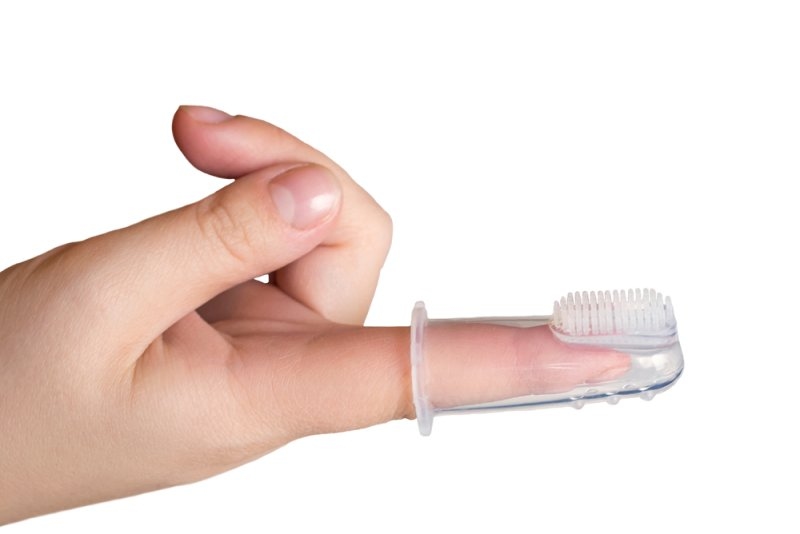
The task of looking after your baby's teeth should start as soon as the first tooth emerges. Employing a soft-bristled small head, twice-daily oral care is deemed necessary to eliminate harmful bacteria that are found in saliva from each newly emerged tooth.
Fluoride toothpaste of suitable measure should be used in accordance with age and in consultation with dental specialists. Baby's teeth play a key role that is fundamental to eating and speech, along with being a vital support for permanent teeth once developed.
9. Know When This Requires Doctor Consultation
Parents should always be concerned about the health of the infant but do not rush into attributing every abnormal sign to the infant who might just be teething. Breathing problems along with pyrexia, prolonged diarrhea, or severe signs indicative of greater symptoms will require that the infant be seen by his/her general practitioner immediately.
Explore Further: Understanding Sucking Reflex in Babies and Its Role
Conclusion
Your teeth vary in shape, size, and placement in your mouth. Different teeth work together to assist you in chewing and speaking, as well as enhance how your mouth and face look. Typically, babies should have 20 (baby) teeth when born, which typically erupt between 6-12 months of age and, at various times throughout childhood, should fall out, at which point 32 permanent teeth should be in place by 21 years of age.
Regrettably, there is quite a bit of misinterpretation around when babies go through the teething period. This guide will help to break all the myths and ease your baby experiencing teething.
Frequently Asked Questions
When do babies typically start to teethe?
Teething often begins at 6 months of age or somewhere thereabouts; it can start earlier or later; it varies between infants. In most cases, the lower front incisor teeth are usually the ones that cut first. Some families have histories that predispose to earlier or later teething, so variations between babies are normal.
How do I know if my baby is teething?
Common signs include increased saliva drool, the desire to bite and chew objects, painful or swollen gums, crying or fussing, and increased fussiness at bedtime. Your baby might rub his or her gums or cheek. But variations in behavior don't automatically suggest that a baby is teething.
Is a high fever a sign of teething?
High fever is generally not considered to be associated with teething. A fever greater than 100.4 F (38 C) may be evidence of illness and require contact with your baby's health care provider, along with other concerns about any symptoms your baby develops.
What can I use for teething babies?
These include a safe, clean teething toy that has been refrigerated or put in a cool washcloth for your baby to chew on. Be wary of benzocaine for infants or very young toddlers. Always consult with your baby's health care professional when you decide whether or not to use a medicine for teething pains.
When is my baby's first dentist appointment?
The first dental appointment should happen by six months of age or within 6 months of the arrival of the first baby teeth. Early dental visits have great advantages; parents will be educated on topics such as brushing their child's teeth, fluoride application, nutritional guidance, and the benefits of baby teeth, too.